Director:Â Guy Ritchie
Genre:Â Crime Comedy/Caper Film
Release Year:Â 1998
Guy Ritchie burst onto the film scene with “Lock, Stock and Two Smoking Barrels,” a kinetic, razor-sharp debut that redefined British crime cinema and established a template that countless films would attempt to replicate. The film follows four young London friends who find themselves in deep debt to a dangerous gangster after a rigged poker game goes wrong. What follows is a chaotic chain of events involving stolen money, drug deals gone bad, and a collection of colorful criminals all circling the same prize, leading to an explosive climax where multiple schemes collide in spectacular fashion.
Storyline & Plot
At its heart, “Lock, Stock and Two Smoking Barrels” is a masterclass in interconnected storytelling, weaving together multiple criminal plots that converge in increasingly complex and hilarious ways. The central narrative follows Eddy and his three friends—Tom, Soap, and Bacon—who pool their money for what they believe will be an easy poker win against “Hatchet” Harry Lonsdale, a notorious local crime boss. When the game turns out to be rigged, they find themselves owing £500,000 with only a week to pay up, or face losing their fingers and Eddy’s father’s bar.
Â
The plot spirals outward from this central predicament, introducing a cannabis-growing operation run by a group of incompetent criminals, a pair of antique shotgun thieves, and various other lowlifes all connected by greed, desperation, and spectacularly bad timing. Ritchie employs a fast-paced, ensemble-driven narrative that jumps between different groups of characters, slowly revealing how their separate schemes will inevitably crash into each other.
Â
The film is predominantly dialogue-heavy, with Ritchie’s script crackling with wit, profanity, and distinctly British humor. The tone perfectly balances dark comedy with genuine tension, creating a world where violence is always lurking beneath the surface of even the most absurd situations. The narrative style is refreshingly linear compared to Ritchie’s later work, but maintains breakneck pacing through clever editing and sharp character interactions.
Â
Thematically, the film explores friendship, loyalty, and the consequences of get-rich-quick schemes, all while celebrating the colorful rogues’ gallery that inhabits London’s criminal underworld. It’s a morality tale disguised as a caper film, where everyone’s greed ultimately becomes their downfall.
Characters & Cast

Jason Flemyng as Tom
Jason Flemyng as Tom serves as one of the four friends and delivers a naturalistic performance that grounds the more outrageous elements of the story. Tom is the voice of reason among the group, though his reasonableness is relative in this world of criminals and schemes.

Dexter Fletcher as Soap
Dexter Fletcher as Soap brings nervous energy and comedic timing to the role of the group's most anxious member. Fletcher's performance perfectly captures Soap's perpetual state of barely controlled panic as their situation spirals out of control.

Nick Moran as Eddy
Nick Moran as Eddy anchors the film as the unwitting catalyst for all the chaos that follows. Moran portrays Eddy as cocky yet vulnerable, making his fall from confidence to desperation both believable and sympathetic.
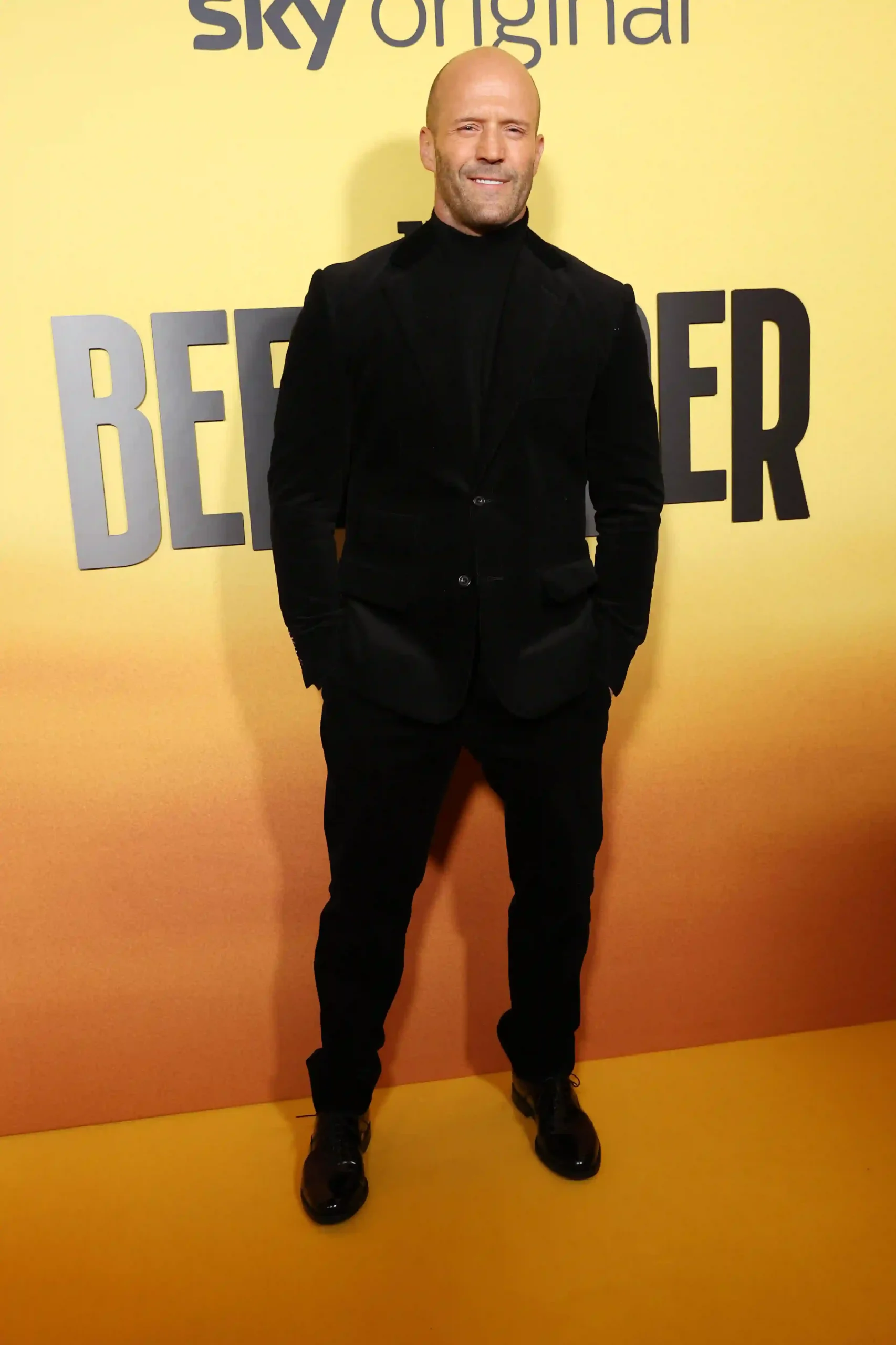
Jason Statham as Bacon
Jason Statham as Bacon made his film debut here, and while his role is relatively small, he brings a natural charisma and working-class authenticity that would define his later career. Even in this early performance, Statham's screen presence is undeniable.

Steven Mackintosh as Tommy
Steven Mackintosh as Tommy leads the marijuana-growing gang with a performance that balances incompetence with genuine menace. His Tommy is simultaneously laughable and dangerous, a difficult balance that Mackintosh handles expertly.
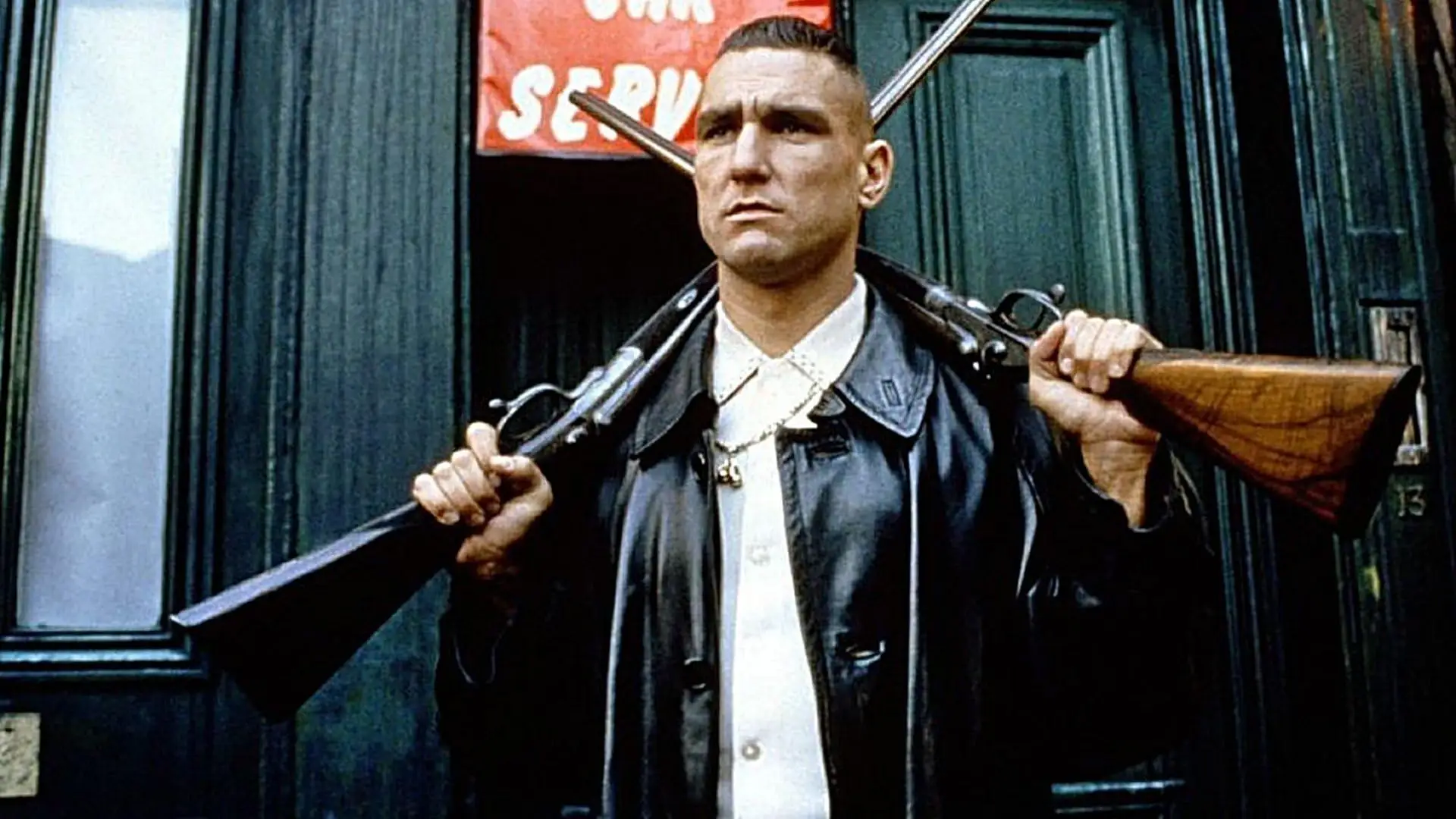
Vinnie Jones as Big Chris
Vinnie Jones as Big Chris delivers the film's most memorable performance as Harry's debt collector. Jones, a former professional footballer making his acting debut, brings an intimidating physical presence combined with unexpected warmth and a twisted sense of honor. His scenes with his son Little Chris add genuine heart to the film.
Direction & Style
Ritchie’s directorial debut showcases a filmmaker with an innate understanding of rhythm, pacing, and visual storytelling. His style feels fresh and energetic, combining influences from crime films, music videos, and British kitchen sink realism into something entirely new. The direction maintains perfect control over the film’s complex plot, never allowing the audience to feel lost despite the multiple storylines and large cast of characters.
Â
Ritchie’s visual style emphasizes kinetic camera movement, quick cuts, and dynamic framing that keeps the energy high throughout the film’s 107-minute runtime. He has a particular gift for introducing characters through memorable visual sequences and snappy dialogue, making even minor players feel distinct and important to the overall tapestry.
Â
The film establishes many of the stylistic trademarks that would become associated with British crime films of the late ’90s and early 2000s, from the freeze-frame character introductions to the use of popular music to punctuate key moments. However, unlike many of its imitators, the style never overwhelms the substance—every flourish serves the story and character development.
Â
Cinematography, Music & Technical Aspects
Tim Maurice-Jones’s cinematography captures the grimy, lived-in feel of London’s criminal underworld while maintaining visual clarity that serves the complex plot. The camera work is dynamic without being showy, using movement and framing to enhance the comedy and tension rather than drawing attention to itself.
Â
The editing by Niven Howie is perhaps the film’s greatest technical achievement, seamlessly weaving together multiple storylines while maintaining perfect pacing. The cuts are sharp and rhythmic, creating a sense of momentum that propels the audience through the increasingly complex plot without confusion.
Â
The soundtrack features a eclectic mix of surf rock, reggae, and contemporary British music that perfectly complements the film’s energy and attitude. Songs like “Hundred Mile High City” by Ocean Colour Scene and “Zorba the Greek” create memorable musical moments that enhance rather than overshadow the action.
Â
The production design creates an authentic London underworld that feels both specific and universal, from the grotty pubs to the sterile poker rooms to the cluttered apartments where various schemes are hatched.
Audience Appeal
“Lock, Stock and Two Smoking Barrels” will appeal strongly to fans of ensemble crime films, particularly those who enjoy clever plotting and witty dialogue over non-stop action. The film rewards viewers who pay attention to detail and appreciate how seemingly unrelated plot threads weave together into a satisfying whole.
Â
Fans of British humor and culture will find particular enjoyment in the film’s distinctly London sensibility and razor-sharp dialogue. The movie also appeals to viewers who enjoy underdog stories and tales of friendship under pressure.
Â
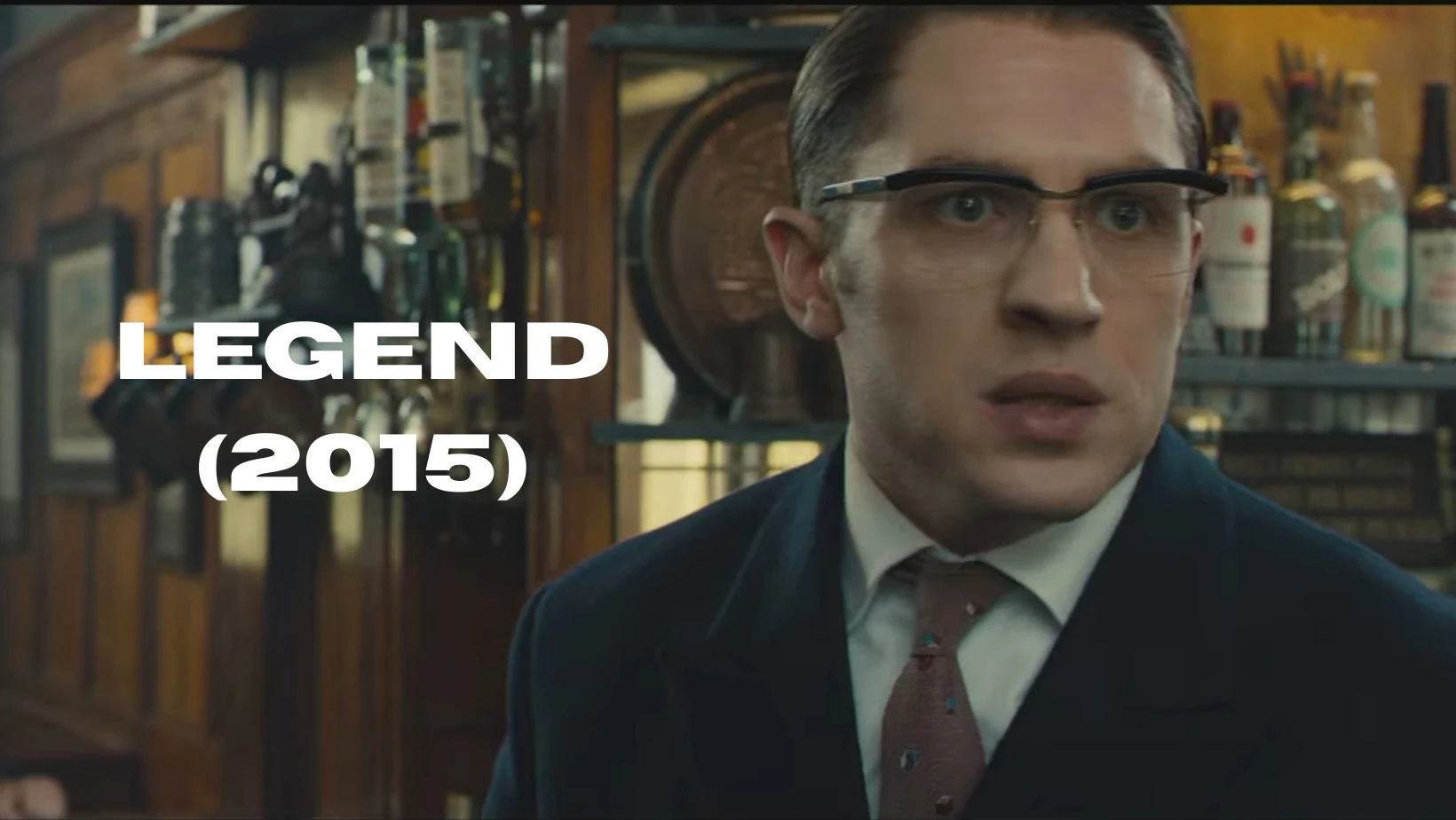
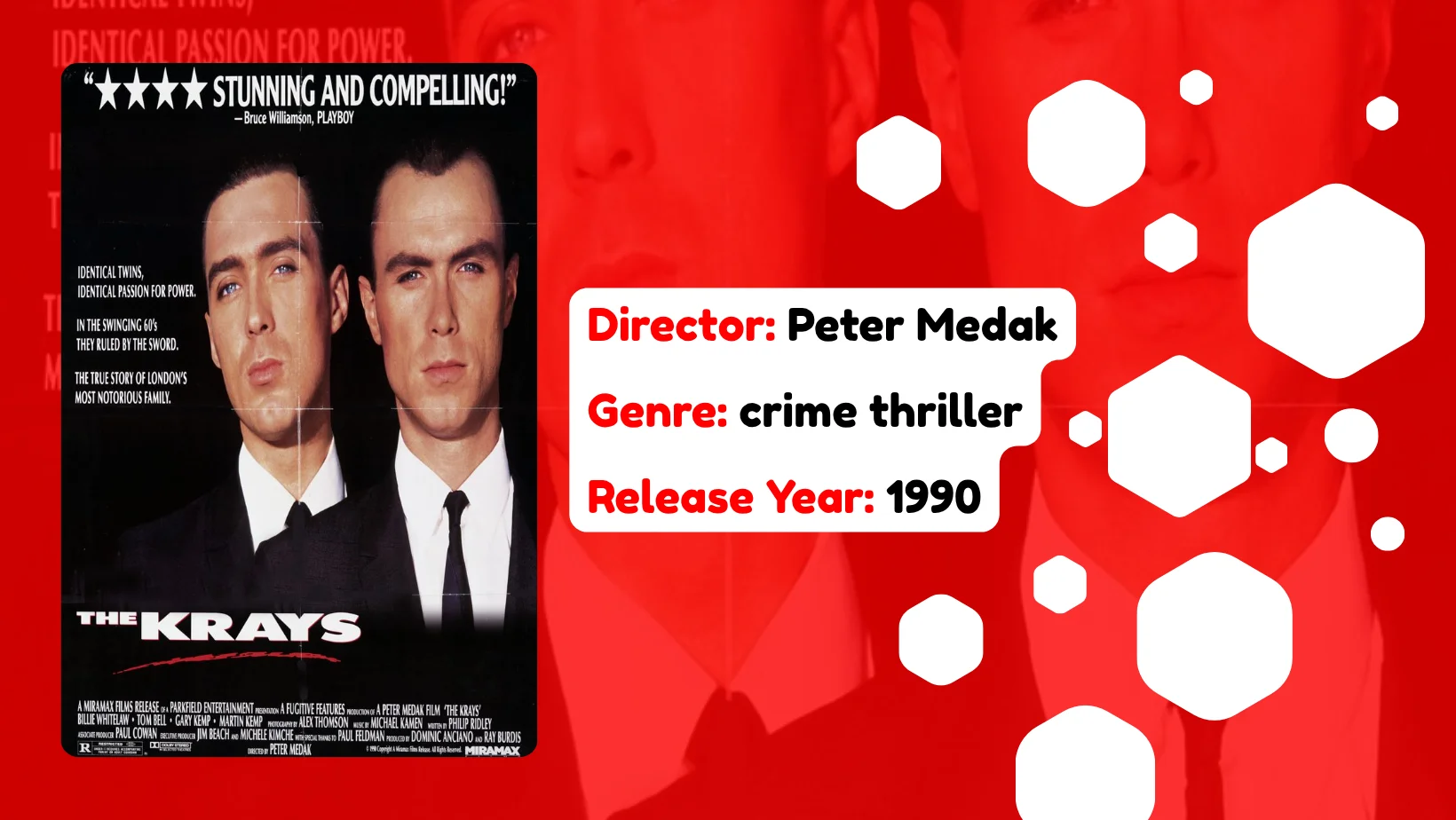
The film serves as an excellent entry point for viewers interested in Guy Ritchie’s work or the wave of British crime films that followed in its wake. It shares DNA with films like “Trainspotting,” “The Long Good Friday,” and later works like “In Bruges” and “Seven Psychopaths.”
Â
However, viewers seeking straightforward narratives or those sensitive to strong language and violence might find the film’s approach challenging, as it demands active engagement and contains significant profanity and criminal behavior throughout.
Overall Impression
“Lock, Stock and Two Smoking Barrels” succeeds brilliantly as both entertainment and a showcase for innovative filmmaking. The film’s greatest strength lies in its perfect balance of comedy and tension, creating a world where the stakes feel real despite the often absurd circumstances. Ritchie’s script is genuinely funny without sacrificing character development or plot coherence.
Â
The ensemble cast works together seamlessly, with each actor bringing something unique to their role while serving the larger narrative. The film’s structure is intricate without being overly complex, rewarding viewers who pay attention while remaining accessible to casual viewers.
Â
The movie’s few weaknesses are minor—some supporting characters could use more development, and occasional pacing issues in the middle act—but these don’t detract significantly from the overall experience. The film feels complete and satisfying, with a climax that brings all the plot threads together in a genuinely surprising and entertaining way.
Â
What makes “Lock, Stock and Two Smoking Barrels” particularly impressive is how it established an entirely new subgenre of crime film while telling a complete, engaging story on its own terms. It’s both influential and entertaining, a rare combination that speaks to Ritchie’s skill as a filmmaker.
Verdict: ★★★★★ (5/5 stars)
“This is a must-watch if you enjoy clever crime capers with ensemble casts, rapid-fire dialogue, and intricate plotting that rewards attention to detail.”
Â
“Lock, Stock and Two Smoking Barrels” stands as a landmark achievement in British cinema and remains Guy Ritchie’s masterpiece. It’s a film that feels as fresh and energetic today as it did upon release, thanks to its timeless themes of friendship and greed, combined with genuinely innovative filmmaking techniques. For anyone interested in crime films, British cinema, or simply expertly crafted entertainment, this is essential viewing that launched a filmmaker’s career and influenced an entire generation of movies that followed.