Direction & Style
John Mackenzie directs with a documentary-like realism that makes the violence feel genuinely shocking rather than stylized. He avoids the glamorous sheen that many crime films apply to their criminal protagonists – this London is grimy, brutal, and unforgiving. The pacing is deliberate, building tension through character interactions rather than relying on constant action.
Mackenzie’s style feels influenced by both British kitchen sink realism and American crime films of the 1970s. The film shares DNA with movies like “Get Carter” and “The French Connection” – gritty crime dramas that don’t romanticize their criminal protagonists.
Cinematography, Music & Technical Aspects
The cinematography captures London in all its urban decay, from the gleaming corporate towers to the run-down pubs where Harold holds court. The visual style is unflinching and realistic, avoiding flashy camera work in favor of letting the performances and story speak for themselves.
Francis Monkman’s electronic score perfectly complements the film’s modern, cold atmosphere. The music never overwhelms the action but adds an underlying sense of unease that builds throughout the film. The editing is sharp and efficient, particularly in the film’s explosive finale.
Who Might Like It
If you’re a fan of intelligent crime dramas that don’t pull their punches, this movie is absolutely for you. Think “Goodfellas” meets “The Sopranos” with a distinctly British sensibility. You’ll love this if you enjoyed films like “Get Carter,” “Sexy Beast,” or more recent British crime shows like “Top Boy.”
This isn’t a film for viewers who prefer their crime stories sanitized or their violence cartoonish. The brutality here serves the story, but it’s genuinely disturbing. If you appreciate character-driven narratives over non-stop action, and you don’t mind subtitles for some of the thicker accents, you’ll find this incredibly rewarding.
Audience Appeal
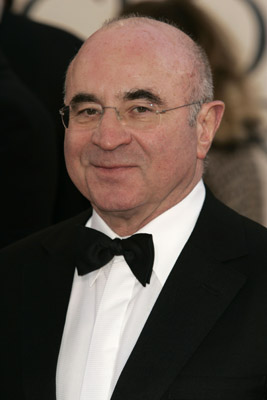
Crime drama enthusiasts will find this essential viewing, particularly those who appreciate the British approach to the genre. Fans of Bob Hoskins will see him at his absolute best, while those interested in 1980s British culture will get a fascinating snapshot of a country in transition.
The film works particularly well for viewers who enjoy morally complex characters – Harold isn’t a hero, but Hoskins makes him compelling enough that you can’t look away from his downfall.
Overall Impression
The Long Good Friday succeeds brilliantly as both entertainment and social commentary. Bob Hoskins gives one of the best gangster performances ever captured on film, creating a character who’s simultaneously pathetic and terrifying. The film’s exploration of how violence corrupts everything it touches feels as relevant today as it did in 1980.
If there’s a weakness, it’s that the film’s political subtext might feel dated to modern viewers unfamiliar with the specific historical context of British-Irish relations. However, the core story of a man’s empire crumbling around him remains timelessly compelling.
The film’s greatest strength is its refusal to glamorize criminal life. By the end, you understand that Harold’s world was built on a foundation of violence that was always going to collapse eventually.
Verdict / Rating
Rating: 9/10 stars
This is a must-watch if you enjoy intelligent crime dramas that combine stellar performances with unflinching social commentary. The Long Good Friday stands as one of the finest British crime films ever made, anchored by Bob Hoskins’ powerhouse performance and John Mackenzie’s assured direction. It’s a film that respects its audience’s intelligence while delivering the goods as both a gripping thriller and a sobering examination of power and its inevitable corruption.